If you are thinking about a website redesign, the first question probably should not be, “What should the new site look like?”
A better place to start is: What is the current site making harder than it needs to be?
Maybe your services have changed but the website has not caught up. Maybe visitors have to dig for important information. Perhaps your team avoids updating the site because the process is cumbersome. Or you may have added a CRM, courses, email marketing, ecommerce or other tools over time and ended up with systems that do not work particularly well together.
Those are website problems, even when they are not obvious design problems.
When Has Your Website Outgrown the Business?
An older design alone is not necessarily a reason to rebuild a site. The bigger concern is whether the website still does its job.
We would look more closely when services are difficult to understand, navigation has become crowded, mobile pages are awkward to use, calls to action lead nowhere useful, or valuable resources are buried several clicks deep. Technical issues, weak SEO foundations and a site that is frustrating to maintain can be equally good reasons to make changes.
This is especially common when a business has grown. A straightforward five-page website can gradually acquire new programmes, landing pages, videos, courses, downloads and audience segments. At some point, adding another page stops solving the underlying problem.
That is when a website redesign may need to address the structure, not just the appearance.
What Does a Website Redesign Actually Involve?
The answer depends on what needs fixing.
For one organization, the project might mean simplifying the navigation, rewriting key pages and improving the mobile experience. For another, it could involve rebuilding the sitemap, migrating content, changing platforms and reconnecting forms, CRM workflows and email automation.
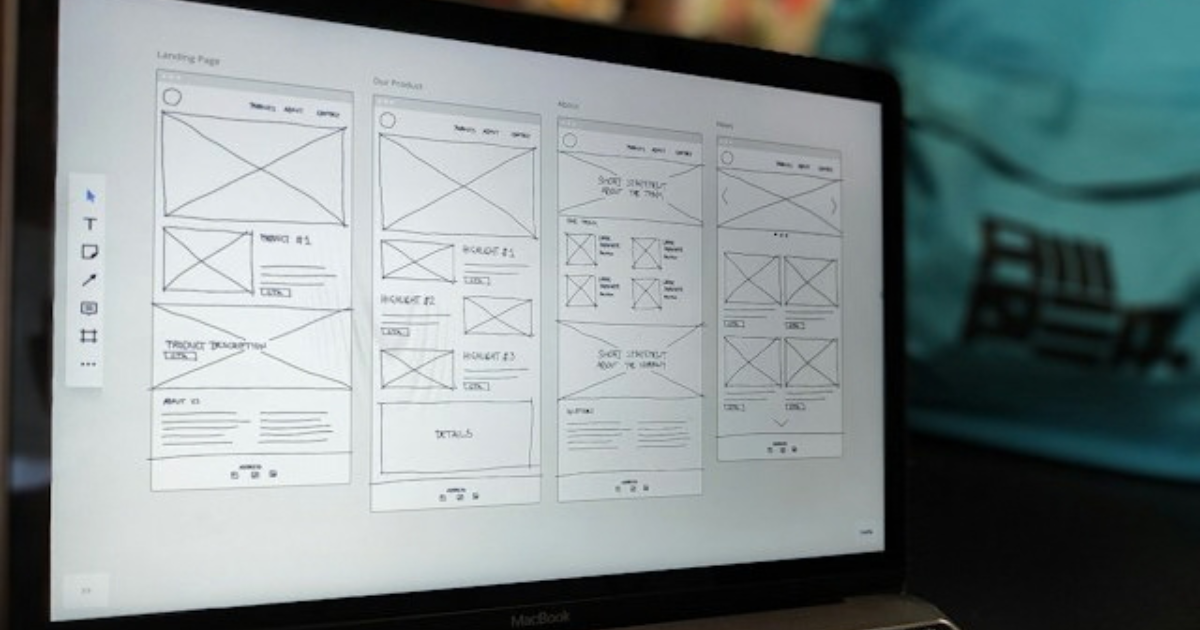
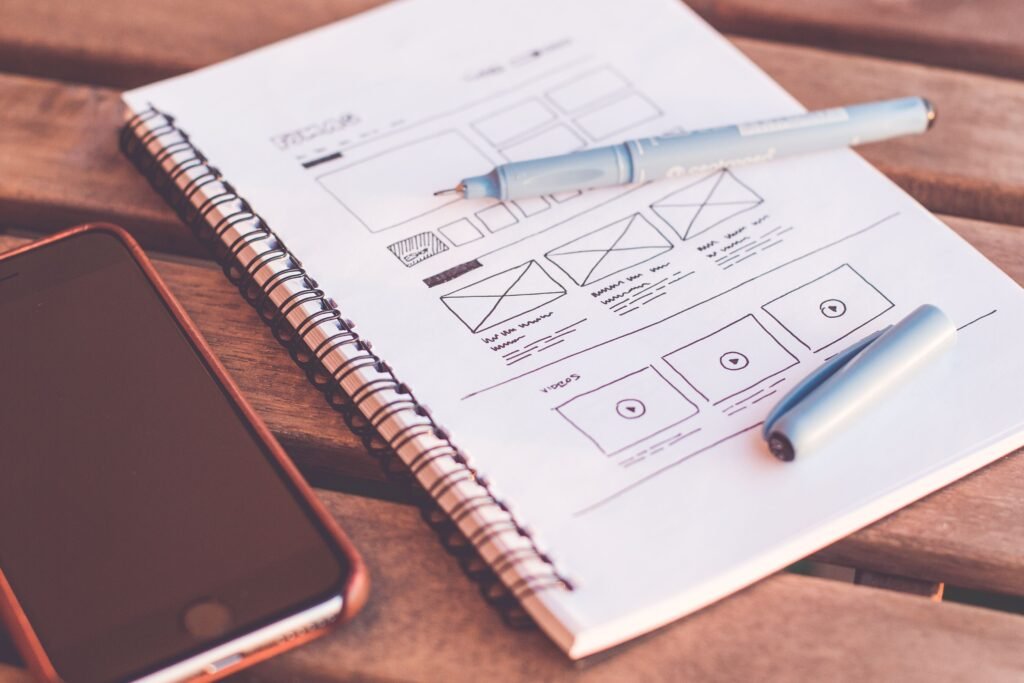
A website redesign can therefore include an audit of the existing site, user-journey and sitemap planning, content and copy changes, visual design, development, accessibility improvements, on-page SEO, analytics, forms and integrations.
More complex sites may also need ecommerce, courses, memberships, learning management systems (LMS), booking tools, payment functionality or resource libraries.
THE USEFUL QUESTION
What does this website need to do that it cannot do well today?
How Much Does a Website Redesign Cost?
There is no meaningful single website redesign cost because two projects that look similar from the outside can require very different work.
A small professional-services website, for example, is not the same project as an education website serving several audiences and containing courses, events, gated resources and payment functionality.
Page count matters, but so do content migration, custom functionality, copywriting, accessibility, integrations, SEO requirements, ecommerce or LMS functionality, and the condition of the existing site.
When reviewing a proposal, look beyond the number of pages and the visual design. Does it include discovery? Who is responsible for content? Are redirects included if URLs change? What about mobile testing, forms, analytics and integrations?
Those details tell you much more about the scope than a homepage mockup does.
A Practical Website Redesign Process
We prefer to understand the existing site before deciding what the new one should become.
That means looking at the audience, business goals, important pages, current content, customer journeys and technical setup. What should stay? What is missing? What has become unnecessary? Where are visitors getting stuck?
Once those decisions are clearer, sitemap planning, page structure, copy, design and development become much more purposeful.
Before launch, the less glamorous details matter too. Changed URLs may need redirects. Forms need testing. Analytics and tracking should still work. CRM connections should send information to the right place. Mobile layouts need checking.
A website redesign is not finished simply because the new pages are live.
Choosing the Right Website Platform
We are often asked which platform is “best.” There is no single answer.
DelCreatives has documented experience with WordPress, Wix, Squarespace and Kajabi, including projects involving courses, ecommerce, checkout functionality and connected marketing systems. Depending on the technical fit of a project, our website services can also support platforms such as Shopify, Magento, Drupal and Joomla.
A consultant who needs a straightforward service website has different requirements from an educator selling courses or an organization managing a large resource library. The platform should fit what the website needs to do, how the team will maintain it and what other systems it needs to connect with.
That matters more than choosing a CMS simply because it is popular.
Where Can AI Help With a Website Redesign?
AI can be useful during a website redesign. It can help organize early research, explore content ideas, create rough drafts, assist with code and speed up repetitive production work.
What it cannot do on its own is decide which audience matters most, whether your navigation makes sense, what information deserves priority, or how your website should fit into the rest of your marketing.
Those decisions require context.
We see AI as a useful tool inside the process, not a replacement for strategy, UX judgment, accessibility review, technical QA or human editing.
Before You Redesign, Audit First
One of the easiest mistakes is jumping straight into new layouts.
First, look at what you already have. Which pages still perform a useful job? Which content is worth keeping? What do customers regularly ask because the website does not explain it clearly? Which tools and workflows must survive the move?
And look beyond the website itself.
A contact form that feeds into an ignored inbox is not much of a lead-generation system. A course living on one platform while customer information sits somewhere else can create unnecessary manual work. Excellent resources are not very useful if nobody can find them.
For DelCreatives, that connected view is an important part of website work. Our approach is to consider the website alongside the customer journey, CRM, email, content and other digital systems rather than treating it as an isolated project.
If your site has become difficult to navigate, maintain or connect with the rest of your digital systems, the right next step may be a focused refresh, a full website redesign or a broader digital transformation. The decision should come after understanding the problem—not before.
Planning a website redesign?
Talk to DelCreatives about your website redesign.